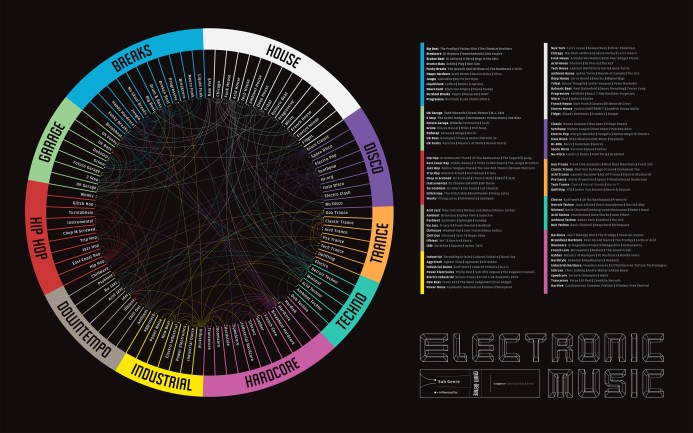
At first listen, electronic dance music (EDM) may seem to fall under the same categories when differentiating styles of music; until, you immerse yourself into the culture and discover there’s more than one incredible style within this different, intense music genre. Although described different and intense, electronic genres acquire the ability to draw various emotions and connect people to the music in a different, unique way.
The summer of 2015, I attended my first music festivals within a month of each other (Camp Bisco & Moonrise). I had no idea who the artist were yet, what genre was playing at the time, and definitely not one clue there were sub-genre’s of electronic music occurring all around me.
It has been almost four years of immersing myself into electronic and music festival culture, and I am just learning the exact differences in electronic music genres. I personally do not like describing my music taste as ‘EDM,’ considering my taste falls under more dubstep and DNB (drum and bass) and want to differentiate that taste from genre’s like techno or trance.
However, I did know one thing. I loved this music.
On that note, here’s a ‘beginner’s guide’ for general EDM genre’s, so you won’t get confused on the differences in the future!
1. House
BPM (beats per minute) and/or Style Distinction: 120-130 BPM; Percussion Driven Rhythms; Complex Melodies; Jazz Influences; Synthesized Bass-lines; 4/4 Beats
Sub-Genres of House: Progressive House; Deep House; Tropical House; Tech-House; Future-House; Electro-House
Relevant Artist: Zedd; David Guetta; Swedish House Mafia; Daft Punk; Kygo; Tchami
House is the most universally popular form of electronic dance music. American-born, this genre grew from disco surfacing in Chicago. House was originally derived from the underground electronic scene, with deep house utilizing bass for the smooth and impactful “wub” sound. Progressive house is used widely by mainstream festival headlines like Zedd, while tropical house sounds incorporate pan flutes and saxophones, like Kygo.
2. Techno

BPM (beats per minute) and/or Style Distinction: 125-150 BMP; Often Darker; Futuristic/Mechanical Sounding; Rhythm Focused; Slow, Subtle Changes; Gritty
Sub-Genres of Techno: Experimental; Minimal
Relevant Artist: Rezz (Experimental); DeadMau5; Carl Cox; Juan Atkins
Developed in Detroit in the 1980’s, DJ’s began reflecting soul into electronic and digital music. This genre is NOT the prime example of the term EDM music, it is simply a genre that has been around the longest. Techno has been influenced from house music, considering both have a darker, yet faster beat. Rezz is an upcoming electronic artist who uses experimental techno and successfully reaches a wider audience.
3. Trance
BPM (beats per minute) and/or Style Distinction: 125-150 BPM; Happy Yet Emotional; Intense, Longer; Musical Progression; Uplifting to Contrast Drops
Sub-Genres of Techno: Progressive Trance; Uplifting Trance; Tech Trance
Relevant Artist: Armin Vam Buuren; Above & Beyond; Markus Schultz; Marlo; Tiesto
Trance was originated in Germany, following the merger of U.K. house music and the 1980’s Detroit/Chicago electronic music. Gaining interest and momentum in the 1990’s by artist’s and crowds on the West Coast, this genre is known for building and breaking down of melodies frequently.
4. Drum and Bass (DNB)

BPM (beats per minute) and/or Style Distinction: 160-180 BPM; Dark & Heavy; Emphasize on Base-line and Drum, Creating the Name for DNB, Aesthetic; Long Synths (Sometimes)
Sub-Genres of DNB: Drumstep; Liquid Funk; Tech Step; Neurofunk; Future Base; Grime
Relevant Artist: Netsky; Andy C; Bad Company; Ghastly; Jauz; The Flozzies; Illenium
This style of electronic music is the most misunderstood genre; however, it is the most intense considering the roots to hardcore London’s rock and roll scene during the 90’s. The aggressive instruments used along with jazz-like break tempos and deep-base tracks are what differentiate this intense genre of music, to those also under the electronic categories. To successfully create intense DNB drum lines, artist have extracted elements of reggae, bass, techno, and hip-hop.
5. Dubstep

BPM (beats per minute) and/or Style Distinction: 70-140 BPM; Relies heavily on sub-bass; darker; wubby; atmospheric sounds; aggressive scattered rhythms
Sub-Genres of DNB: Trap, Glitch-hop
Relevant Artist: Rusko; RL Grime; Baauer; Bassnectar; Skrillex; Excision; 12th Planet
These sounds project a consistent, thumping basis; with purpose to produce overwhelming sub-bass. This genre of EDM got it’s start as a dark, experimental take on the 2-step sound throughout 1990’s London. If you see a dubstep show, you will experience some, “bass in your face.” This style of music is the most widely known by music fans today.
There ya have it folks! Your personal beginners guide to electronic dance music genre’s. However, don’t think these genre’s listed above are the only genre’s electronic music have created.

 WELCOME TO THE LAND OF MISFIT MUSIC
One thought on “Your Beginners Guide to EDM Genres”